ServicesResident Income Verification
Resident Income Verification in Boca Raton
Your Live Local exemption rests on one thing: proof that the right units are rented to residents who meet the income limits. We gather that proof, check the math unit by unit, and show you copies of what we found, gaps included, before anything gets filed.
What income verification does for your property
The Live Local Act property tax exemption only covers units rented to residents at or under set income limits, usually 80 or 120 percent of area median income. The limits change each year. If a tenant file is thin or out of date, that unit may not count, and the exemption shrinks with it.
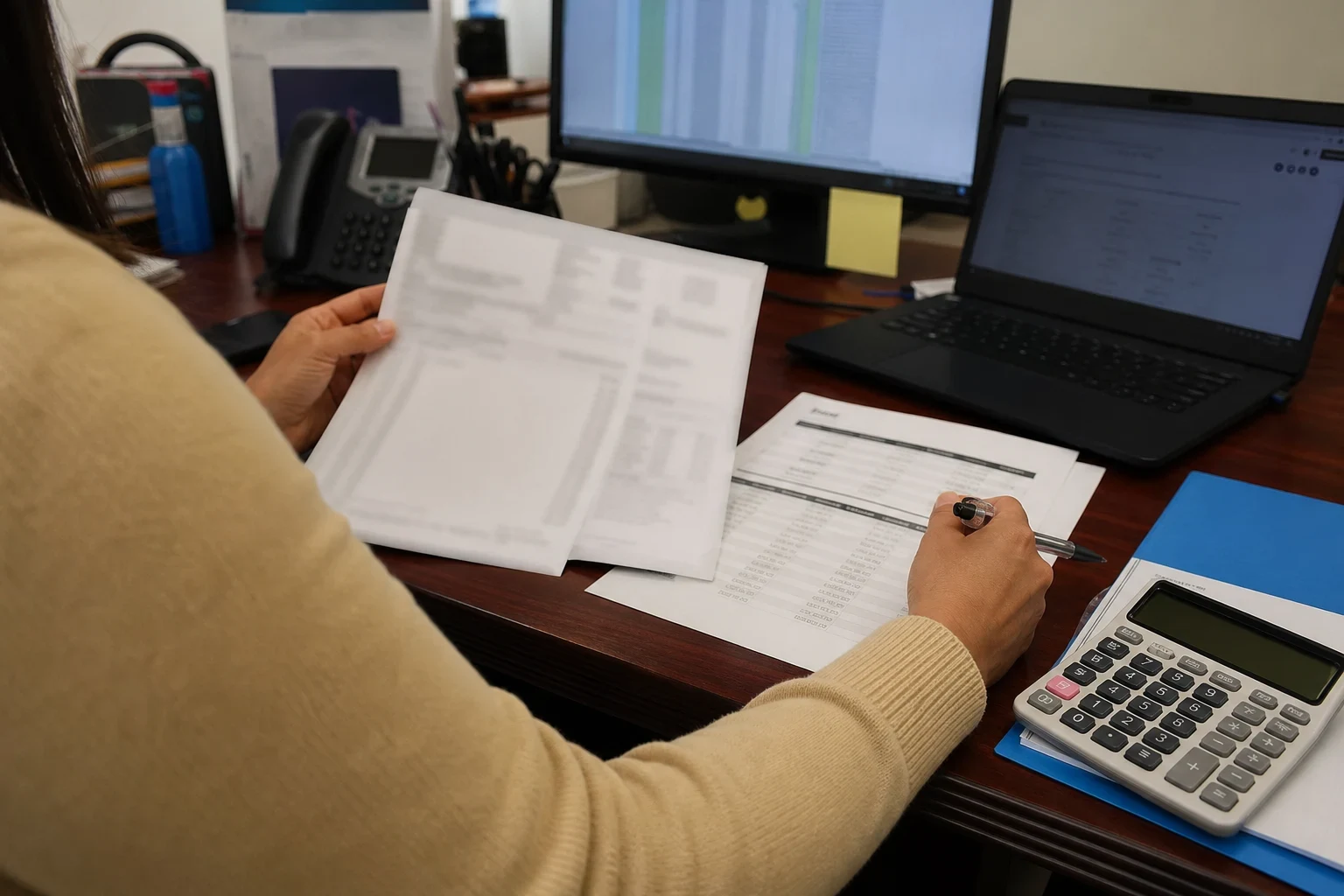
We do the file work. We collect income records for every adult living in a qualifying unit, compare the totals to the current Palm Beach County limits, and confirm the rent stays under the cap for that unit size. Each file comes back to you with scanned copies of what we reviewed and a short note on what passed, what failed and why.
This work feeds straight into FHFC Certification Filing and County DR-504AFH Filing. Clean tenant files make both of those go faster.
What we check in each tenant file
Income from every adult
Pay stubs, employer letters, Social Security or pension statements, self-employment records. We count every adult on the lease and every adult living in the unit, not just the one who signed.
Asset review
Bank accounts and other assets can add to counted income. We look at statements and note anything that pushes a resident over the line.
Rent against the cap
A resident can qualify on income and the unit can still fail on rent. We compare the rent you charge, plus any required fees, against the limit for that bedroom count.
Signed certifications
We prepare the tenant income certification for each resident to review and sign, so the file shows the resident confirmed the numbers.
A unit-by-unit summary
You get one sheet that lists every unit, its tier, its status and the date it was verified. Scanned copies of the source papers sit behind each line.
Signs your tenant files need attention
Files built at move-in only
Income changes. A file from two years ago may not reflect what a resident earns now, and annual checks are part of keeping the exemption.
Missing roommates or adult children
If only the leaseholder's income is on file, the count is probably low. This is one of the most common gaps we find.
Last year's income limits
New limits come out each year. A resident who qualified under the old numbers might not under the new ones, or the reverse.
Rent raised without a cap check
A routine rent increase can put a unit over the limit for its tier. We check this before renewal season if you call early.
No one can find the pay stubs
A certification form without the proof behind it is hard to defend if the property appraiser asks questions.
New management company
When management changes hands, files often get lost or half-moved. A fresh review shows what you actually have.
From first call to clean files
- 1
An eligibility check
It starts with a phone call. Tell us how many units you have, what you charge and what tenant files your office keeps today. We will say whether the property looks like a fit and how much file work sits ahead.
- 2
Gathering the paperwork
We send a plain checklist for your leasing staff and residents. Papers come to our office, or we go over them with your team by video. Nothing needs to happen on your property.
- 3
Review and math
We total income for each unit, apply the current limits and check rent. Every file gets scanned and tagged so you can see exactly what we looked at.
- 4
Findings with copies
You get the unit summary plus copies of each file. Problems are flagged plainly, with what is missing and what it would take to close the gap.
- 5
Hand-off to filing
Once the files are clean, they support your FHFC certification and county filing. If you want, we keep them current through Annual Recertification.
What moves the cost
There is no single price for this work. It depends mostly on how many units need files and what shape those files are in. You get a written estimate before we start, and you can get a free savings estimate by phone first to see whether the exemption is worth the effort.
- Number of qualifying units
- More units means more files. A property going for the larger exemption tier usually needs more units verified.
- Condition of existing files
- Complete, recent files mostly need a check. Missing or old files mean starting from scratch with residents.
- Complex income
- Self-employment, gig work, multiple jobs and large assets take longer to prove and total than a single W-2 job.
- Timing against deadlines
- Starting well before the filing window gives residents time to send what we need. A late start compresses the work.
Questions about resident income verification
Something not covered here? (561) 786-4331
Do we have to verify every unit in the building?
No. You need files for the units you are counting toward the exemption. Many owners verify a few extra in case a resident moves out or stops qualifying mid-year. We help you decide how many to cover.
How often does income have to be rechecked?
Plan on checking at move-in and again each year. Limits change annually and so do resident incomes. Our Annual Recertification service handles the yearly round.
Will residents have to meet with you?
Usually not. Most residents hand in their paperwork through your leasing office. When a file is unclear, we may talk with a resident by phone or video, with your OK.
What happens if a resident is over the limit?
That unit does not count toward the exemption for that tier. It does not mean the resident has to leave. We show you the numbers so you can decide whether to swap in another unit or adjust your plan.
How do you keep resident information private?
We only ask for what the income check needs. Files are stored at our office and shared back to you, not passed around. You decide how long your property keeps them.
Find out what your files can support
Tell us about your units and the files you have now. We will tell you plainly what is there, what is missing, and what the exemption could save.